
How Eco-Friendly Packaging Reduces Your Carbon Footprint
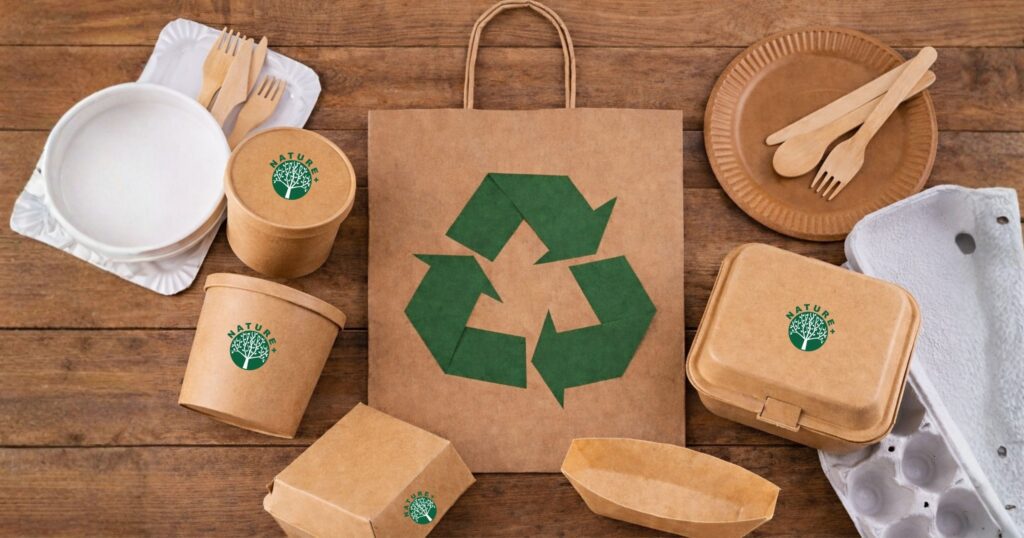
Eco-friendly packaging plays a powerful role in carbon footprint reduction, especially as businesses and consumers become more conscious of climate change. In the first 100 words, it’s important to understand that packaging is responsible for a significant share of global carbon emissions – from raw material extraction to disposal. By adopting sustainable packaging solutions, brands can directly lower emissions while improving their environmental impact.
This blog explains how environmentally friendly packaging helps reduce emissions, what materials make the biggest difference, and how businesses can switch without compromising quality or cost.
Understanding the Carbon Footprint of Packaging
The carbon footprint of packaging includes emissions generated during:
- Raw material sourcing
- Manufacturing processes
- Transportation and storage
- Disposal or recycling
Traditional plastic packaging relies heavily on fossil fuels, which significantly increases carbon emissions reduction challenges.
How Eco-Friendly Packaging Helps Reduce Carbon Emissions
1. Uses Renewable Packaging Resources
Renewable packaging resources such as bamboo, sugarcane bagasse, and paper pulp require less energy to produce and regenerate naturally, lowering overall emissions.
2. Lowers Manufacturing Emissions
Low carbon packaging materials consume less energy during production compared to plastic, leading to effective carbon footprint reduction.
3. Reduces Transportation Impact
Lightweight eco-friendly food packaging reduces fuel consumption during transport, directly supporting carbon emissions reduction.
4. Minimises Waste and Landfill Emissions
Using biodegradable packaging materials and compostable food packaging helps prevent methane emissions caused by decomposing plastic waste in landfills.
Types of Eco-Friendly Packaging That Lower Carbon Footprint
Biodegradable Packaging Materials
These materials break down naturally, reducing long-term environmental damage and lowering the carbon footprint of packaging.
Compostable Food Packaging
Compostable food packaging returns nutrients to the soil, closing the waste loop and supporting sustainable systems.
Green Packaging Solutions
Green packaging solutions focus on minimal material use, recyclability, and renewable sourcing.
Why Sustainable Food Packaging Matters for Businesses
- Builds eco-conscious brand image
- Meets sustainability regulations
- Attracts environmentally aware customers
- Reduces long-term operational costs
Switching to sustainable food packaging is both an environmental and strategic business move.
Common Myths About Eco-Friendly Packaging
- “Eco-friendly packaging is not durable” → Modern materials are strong and reliable
- “It’s too expensive” → Costs balance out with bulk sourcing and brand loyalty
- “It doesn’t reduce emissions” → Proven to support carbon footprint reduction
FAQs – Eco-Friendly Packaging & Carbon Footprint
How does eco-friendly packaging reduce carbon footprint?
By using renewable materials, consuming less energy in production, and reducing waste-related emissions.
What is low carbon packaging?
Low carbon packaging refers to materials and processes designed to minimise greenhouse gas emissions.
Is biodegradable packaging better than recyclable packaging?
Both are effective, but biodegradable packaging materials reduce landfill impact more directly.
Does compostable food packaging reduce emissions?
Yes, it helps prevent methane release and supports natural decomposition cycles.
Conclusion & Recommendations
Adopting eco-friendly packaging is one of the most impactful steps businesses can take toward meaningful carbon footprint reduction. From renewable packaging resources to green packaging solutions, sustainable choices reduce emissions at every stage of the packaging lifecycle.Choose biodegradable packaging materials for everyday use, compostable food packaging for food services, and invest in sustainable packaging solutions that prioritise low energy consumption and minimal waste.